Stories from the Beds & Herts Saturday Telegraph: March 11th, 1916.
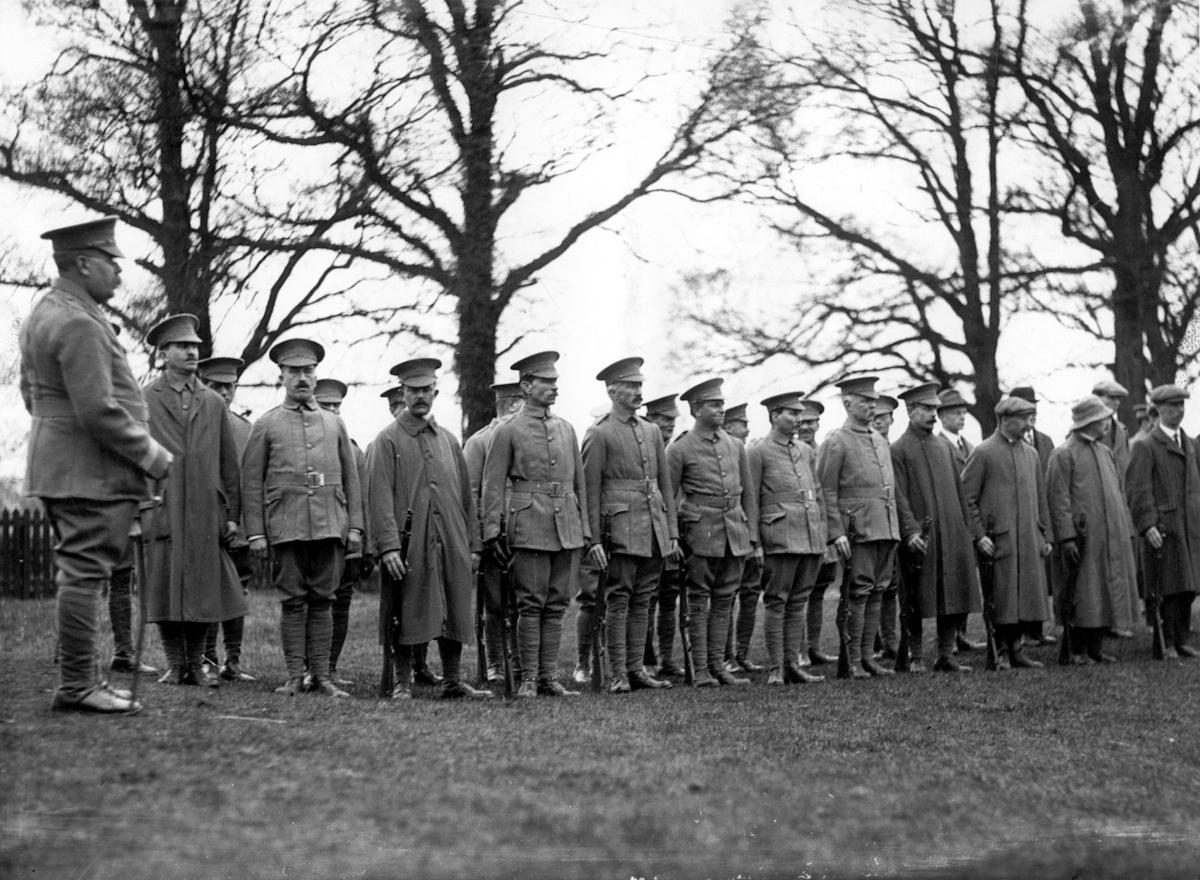
With the recognition of Volunteer Training Corps by the War Office, the Luton Corps will very shortly become an integral part of the scheme of national defence.
Friction between members of the Luton Tribunal and the military representative over appeals against unanimous decisions in certain cases produced statements from both sides in March 1916. It was the beginning of what would become a long and bitter dispute between the two parties that a year later would involve the Government after the Tribunal refused to sit to adjudicate on cases that would almost invariably be appealed by the military.
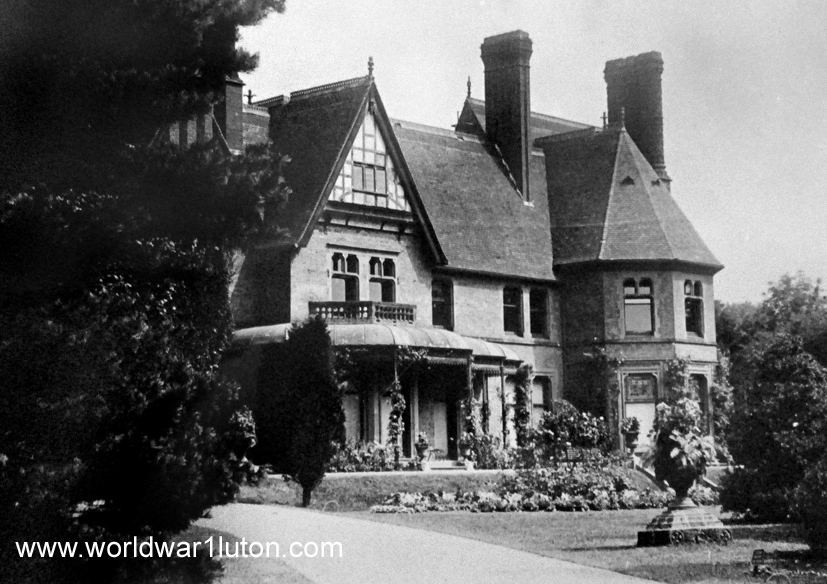
Military authorities were excused rent due for Wardown House although failing to give an agreed week's notice of their termination of tenancy after November 19th, 1915.
Stories from The Luton News: Thursday, March 9th, 1916.
Pte Arthur Percy Burnet, son of Mr and Mrs Arthur Burnet, of Conway Road, Luton, and of the 20th King's Liverpool Regiment, had had the misfortune after braving many dangers to be wounded as the result of an accident in the trenches. His injuries are very severe.
A Lutonian who claimed to be a conscientious objector and had advised another man to claim likewise was told at a Tribunal on Wednesday, March 8th, 1916, that he had laid himself open to prosecution and imprisonment with hard labour for interfering with the process of recruiting.
A gift of a collection of foreign butterflies from Lord Rothschild for display in the public library was acknowledged at a meeting of Luton Town Council on Tuesday, March 7th, 1916. Thanks were also expressed to Mr William Munns, of 90 Tennyson Road, Luton, who had made the approach for the gift and mounted the donated items in a handsome case.
Stories from the Beds & Herts Saturday Telegraph: March 4th, 1916.
The first successful "conscience" appeal to the Luton Borough Tribunal was made at their sitting on Wednesday, when one of the five people who represent the Christadelphian cause in Luton succeeded in getting exemption, after a very gruelling experience at the hands of the members of the Tribunal.
Petty Officer Harry Charles Sell, son of Henry Lord Sell and Emily Jane Sell (nee Bailey), of Kempton Villa, 25 Cromwell Road, Luton, was a member of the Royal Naval Air Service's Armoured Cars, Russian Legion, stationed in an ice-bound Arctic harbour with its accompanying winter storms.
Stories from The Luton News: Thursday, March 2nd, 1916.
Lieut-Observer J. E. P. Harvey, an officer of the Bedfordshire Yeomanry attached to the Royal Flying Corps, who was recently captured by the Germans has sent the following description of a battle in mid-air and how he was treated after capture.
Speaking to munition workers in the Winter Assembly Hall on February 28th, 1916, the Mayor of Luton (Alderman J. H. Staddon) said Luton was doing its share towards the war effort.
Mrs Bunnage, of 22 Henry Street, Luton, whose husband and two sons are with the colours, has just received from her son Victor a long descriptive account of the experiences of the 1/1st Eastern Mounted Brigade Field Ambulance, R.A.M.C., whose headquarters are at Grove Road, Luton, from the time they left England until, with other units, they were withdrawn from Gallipoli.
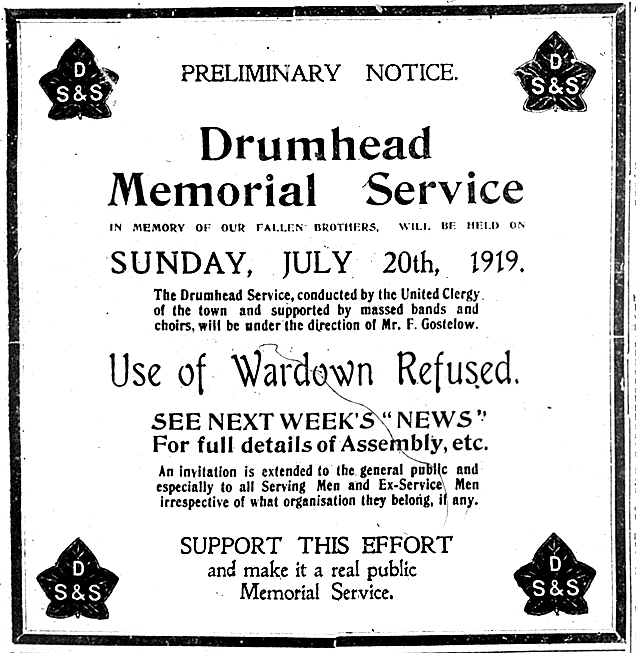
Reaction to the public revelation in the Saturday Telegraph that Luton's biggest ex-servicemen's organisation had been refused Council permission to hold their drumhead memorial service in Wardown Park was, not unnaturally, hostile in correspondence to The Luton News on the following Thursday [July 17th, 1919].
Stories from the Beds & Herts Saturday Telegraph: February 26th, 1916.
Last night at the annual meeting of the Luton Free Church Council, Mr W. Perry asked that the support of the council should be given to conscientious objectors when they appeared at the Tribunal.
A number of "conscientious objectors" appeared before the Luton Tribunal on Saturday afternoon and asked to be excused from military service. Some of them were employed at munition factories, and they received scant sympathy from members of the Tribunal who took the view that a man whose conscience would not allow him to take the life of another man in battle should not be content to make his livelihood in producing machines of bloodshed for other men to use.