About noon on Monday [August 28th, 1916] considerable interest was manifest in the passage through the town of a motor machine gun convoy. First came the ammunition carriers, then the box-bodied cars, and finally the actual gunners with their deadly weapons mounted as though ready for action.
With the war just into its third year and essentials in ever greater shortage, the Beds & Herts Saturday Telegraph took a look at what it headlined a "Dear food scandal" in its August 26th, 1916, edition and interviewed leading tradesmen about the increasing cost of meat and bread in particular.
Questionable medical examinations at Bedford with the passing of medical "rejects" as fit for military service persuaded the Luton Tribunal to take the matter further. Three specific cases were to be referred to Col Henderson, the Commanding Officer of the local recruiting area, and the issue generally was to be taken up with the War Office.
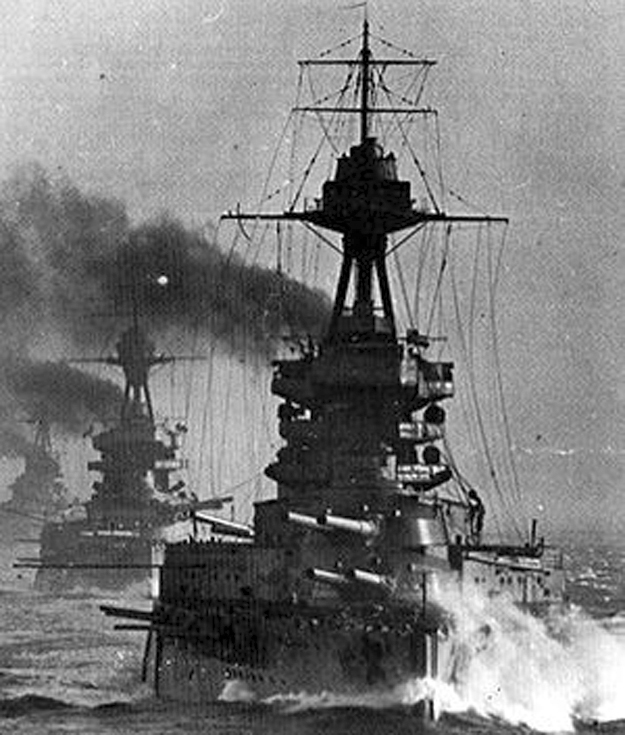
At the age of 44, Luton-born Gunner Seaman Frederick William Nicholls had been in the Royal Navy since a teenager when he served on HMS Benbow (pictured - Wikipedia) during the Battle of Jutland in 1916. He was single and the son of widow Mary Ann Nicholls, of 19 Bolton Road, Luton.
Stories from the Beds & Herts Saturday Telegraph: August 19th, 1916.
It is not a common thing for high war decorations to go to the Royal Army Medical Corps, but the brave conduct of a Luton soldier has, we understand, gained him the coveted D.C.M. This soldier is trumpeter Archer S. A. Powell, who is with the 1/1st Eastern Mounted Brigade Field Ambulance in Egypt.
Stories from The Luton News: Thursday, August 17th, 1916.
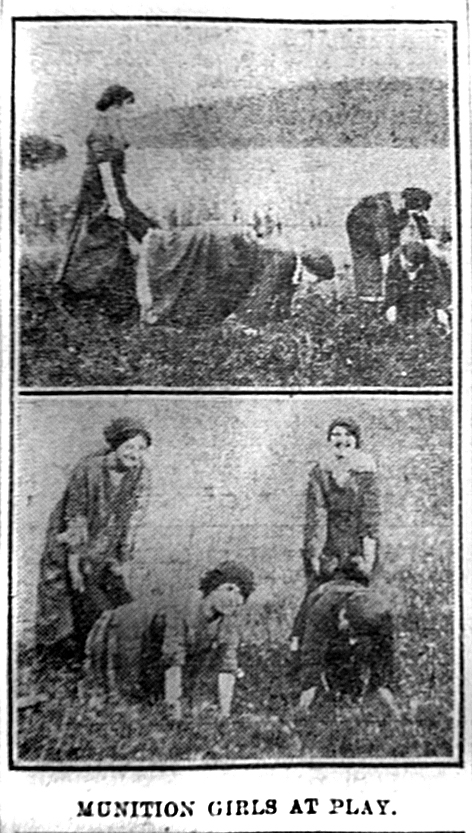
Some of the Luton girls engaged in the production of munitions are very indignant at what the local correspondent of the Hatters Gazette said with regard to "pampered munition workers," and one of them, writing on behalf of herself and co-workers, says:
Gambling was very much on the increase in the town, Chief Constable David Teale told Luton Borough Sessions on August 16th, 1916. The court heard two cases of boys playing cards for money.
Gallipoli veterans remembering at Luton War Memorial in 1953
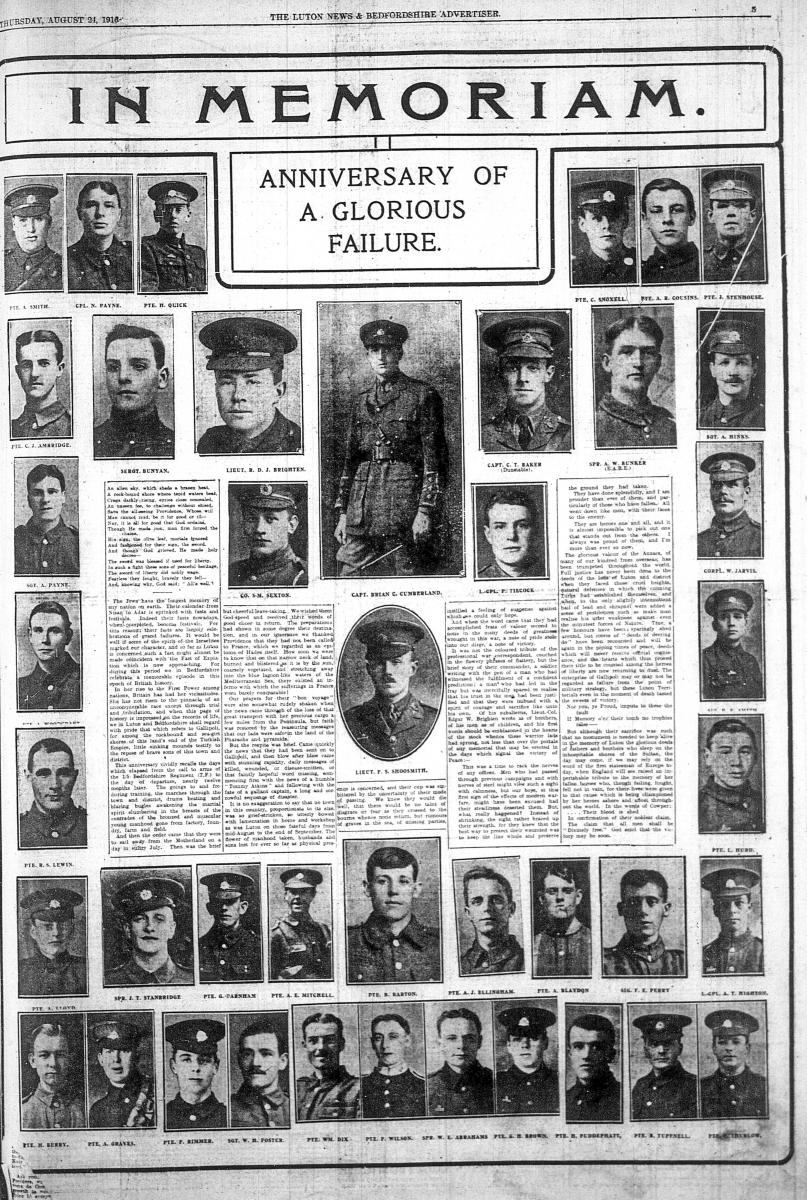
From a Luton Private [unnamed], of the 1/5th Battalion Bedfordshire Regiment who served with the Battalion in Gallipoli and is now at the Eastern Command Depot at Shoreham, we have received the following letter:
A collision on August 15th, 1916, between two British submarines engaged in exercises in the North Sea off Harwich cost the life of the eldest son of a family who had moved to live in Luton.
On the afternoon of August 4th, 1916, a detachment of about 1,000 men of the Royal Welsh Fusiliers came into Luton from Bedford by road for a ten-day course of musketry instruction and firing practice on the Warden Hills. These men, with thousands of their comrades, had been stationed at Bedford for some months.
The break-up of the schools for the summer holidays had been marked by a revival of the juvenile crime which has of recent years become such a serious matter in Luton, and in a case which came before the Children's Court on Saturday [August 12th, 1916], Mr Edwin Oakley (presiding) said the Bench hardly knew how to deal with it.